
← Back to Build Guides
The Ultimate 2.5GbE Proxmox Cluster Guide (Under 30W)
Build a high-availability Proxmox cluster using three Intel N100 mini PCs. Learn how 2.5GbE networking unlocks fast migration and failover for a fraction of the cost.
Published Nov 29, 2025Updated Dec 28, 2025
2.5GbEClusterHigh AvailabilityHomelabProxmox
The Ultimate 2.5GbE Proxmox Cluster Guide (Under 30W)
Why build one big, power-hungry server when you can build a cluster? Clustering offers High Availability (HA)—if one node dies, your services automatically restart on another.
In 2025, the sweet spot for home clusters is combining the Intel N100 with 2.5GbE networking.
The Hardware: The "Micro-Cluster"
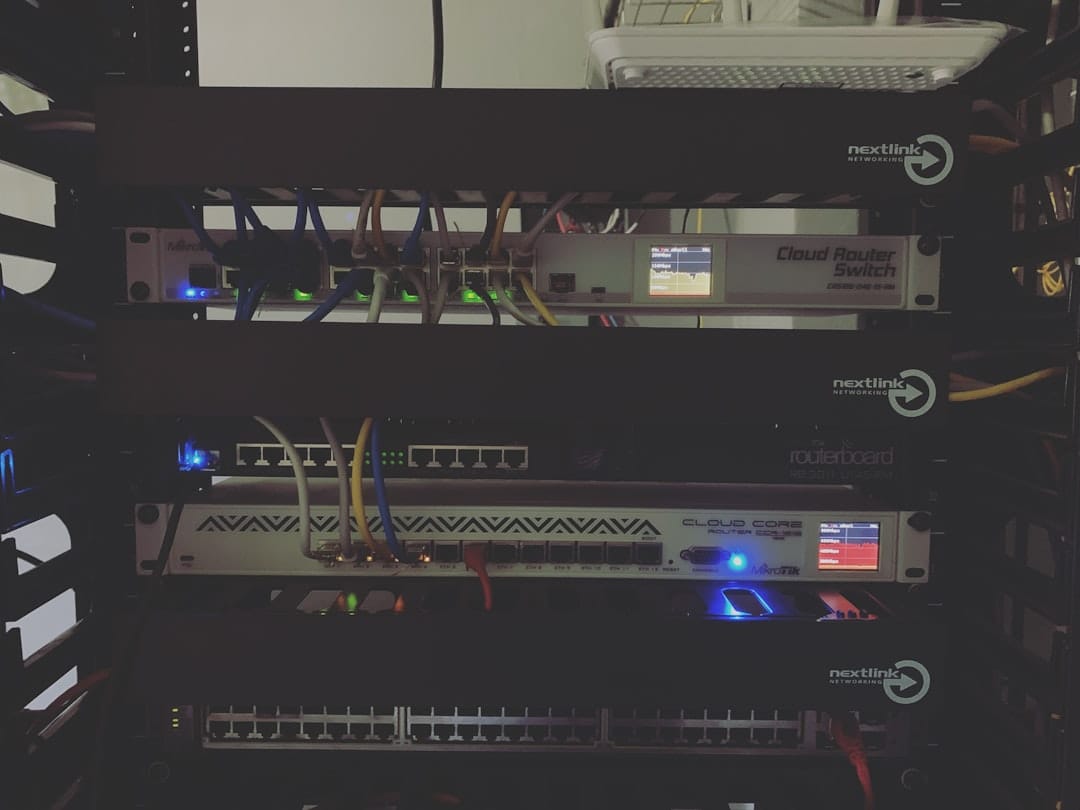
We are targeting a 3-node cluster. This is the magic number for "quorum" (voting), allowing the cluster to survive the loss of one node without losing data integrity.
- Nodes: 3x Intel N100 Mini PCs (e.g., Beelink, Trigkey, or CWWK).
- RAM: 16GB or 32GB per node.
- Network: 2.5GbE Switch (Unmanaged is fine, but Managed is better for VLANs).
- Total Power: ~18-25W idle (for the whole cluster!).
Why 2.5GbE Changes the Game

In the past, 1GbE was too slow for serious clustering, and 10GbE was too expensive/hot. 2.5GbE is the Goldilocks zone.
- Fast Migrations: Moving a running VM from Node A to Node B takes seconds, not minutes.
- Storage Access: If you use shared storage (NAS), 2.5GbE offers 2.5x the bandwidth, making VMs feel snappy.
- Cheap: 2.5GbE switches now cost under $50.
Step-by-Step Setup
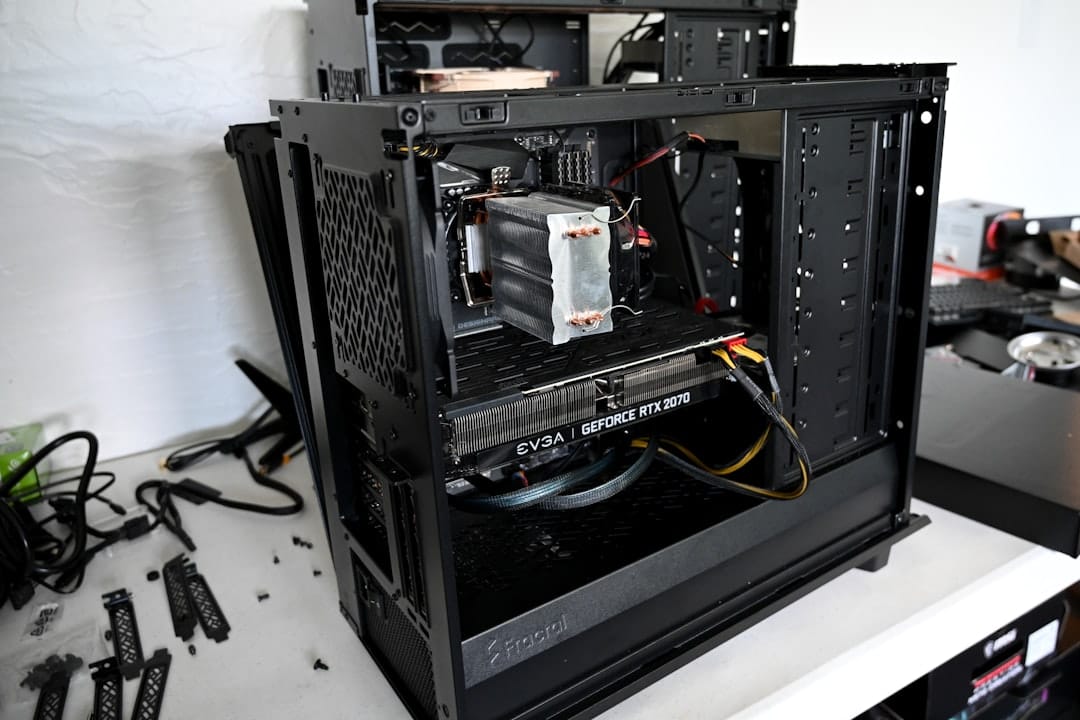
1. Network Planning
Don't just plug everything in. Separate your traffic for best performance.
- VLAN 1 (Management): For the Proxmox web UI.
- VLAN 10 (Migration/Corosync): Dedicated high-speed lane for cluster communication. Crucial for stability.
- VLAN 20 (VM Traffic): For your actual services.
2. Installing Proxmox VE
Install Proxmox VE 8.x on all three nodes. Give them static IPs:
- Node 1:
192.168.1.11 - Node 2:
192.168.1.12 - Node 3:
192.168.1.13
3. Creating the Cluster
On Node 1, go to Datacenter > Cluster > Create Cluster. Copy the "Join Information". On Node 2 and 3, go to Datacenter > Cluster > Join Cluster and paste the info.
4. Configuring High Availability (HA)
This is the cool part.
- Create an HA Group (e.g., "all-nodes").
- Add your critical VMs (Home Assistant, DNS) to this group.
- Test it: Pull the power plug on Node 1. Watch as your VMs automatically reboot on Node 2 or 3 within minutes.
Storage: The Elephant in the Room
N100 clusters struggle with Ceph (distributed storage) because it requires fast CPU and low latency.
Recommendation: Instead of Ceph, use a Shared NAS (via NFS/iSCSI) connected via 2.5GbE. This gives all nodes access to the same VM disks without the overhead of Ceph.
Conclusion
A 3-node N100 cluster is the ultimate homelab learning tool. It teaches you enterprise concepts like HA, migration, and quorum, all while consuming less power than a single old enterprise server.
You may also like

Builds
Low Power Proxmox Homelab Build
Run multiple VMs and containers on a single efficient machine. Great for learning virtualization.
IntermediateProxmoxVirtualization

Builds
Silent Fanless Home Server Build 2026: Living Room Ready
Build a completely silent home server for the living room. Compare truly fanless N100 mini PCs (0 dBA, 6-12W) vs near-silent Noctua builds vs full-featured quiet systems. Full component guide included.
buildsfanlessliving-room
Builds
N100 Home Server Docker Stack: Run 10 Services Under 15W (2026)
Complete docker-compose.yml to run Jellyfin, Nextcloud, Home Assistant, Pi-hole, Vaultwarden, Immich, Homepage, Uptime Kuma, Tailscale, and Portainer on an Intel N100 mini PC under 15W.
docker-composehome-assistantlow-power
Related Tools
Ready to calculate your power costs?
Use our Power Calculator to estimate how much your server will cost to run 24/7.
Try Power Calculator