
← Back to Use Cases
Self-Hosted Music Streaming: Navidrome vs Jellyfin vs Plexamp (2026)
Build your own Spotify alternative. Compare Navidrome, Jellyfin, and Plexamp for self-hosted music streaming with Docker setup guides and mobile app recommendations.
Published Jan 19, 2026Updated Feb 10, 2026
musicnavidromeplexampself-hosted
Self-Hosted Music Streaming: Navidrome vs Jellyfin vs Plexamp (2026)
Take control of your music library with self-hosted streaming. Here's everything you need to know about the three best options for building your own Spotify alternative.
The Icing on the Cake of Self-Hosting
If there's one self-hosted service that delivers pure joy, it's music streaming. As one Reddit user put it: "The icing on the cake of selfhosting for me was music." That post generated 158 comments from enthusiasts sharing their experiences.
Unlike video streaming where transcoding and storage dominate the conversation, music is refreshingly simple: small files, minimal CPU requirements, and decades of personal libraries waiting to be rediscovered.
The question isn't whether to self-host your music—it's which platform does it best.
Quick Comparison: The Three Contenders

| Feature | Navidrome | Jellyfin | Plexamp |
|---|---|---|---|
| Focus | Music only | All media | Music only |
| Cost | Free, open source | Free, open source | Requires Plex Pass ($120 lifetime) |
| Resource Usage | Very low (~130MB RAM) | Medium-high | Low (client-side) |
| Official Mobile Apps | No (uses Subsonic clients) | Yes (iOS, Android) | Yes (excellent) |
| Offline Sync | Via third-party apps | Yes (native) | Yes (Plex Pass required) |
| UI/UX Quality | Good (web), varies (clients) | Good | Excellent |
| Smart Playlists | Basic | Moderate | Advanced (Sonic Analysis) |
| Multi-User | Yes | Yes | Yes |
| Low-Power Friendly | Excellent | Moderate | Good (with Plex server) |
| API Standard | Subsonic/OpenSubsonic | Proprietary | Proprietary |
| Best Mobile Client | Symfonium (Android) | Native Jellyfin | Native Plexamp |
Navidrome: The Music Specialist

What is Navidrome?
Navidrome is a lightweight, open-source music server written in Go. It focuses exclusively on music—no video, no photos, just audio done right.
GitHub Stats:
- Stars: 12,000+
- Active development since 2016
- Single binary deployment
Why Navidrome Stands Out
1. Incredibly Lightweight
Navidrome runs on practically anything. From the official documentation:
"Very low resource usage. Runs well even on a Raspberry Pi Zero."
Typical resource consumption:
- RAM: ~130MB during playback
- CPU: Negligible during streaming
- Storage: Just your music files + small SQLite database
This makes Navidrome perfect for low-power home servers, NAS devices, or even that old Raspberry Pi collecting dust.
2. Tag-Based Organization
Unlike some servers that depend on folder structure, Navidrome derives everything from metadata tags:
"Navidrome is tag-based, meaning it does not care about folder structure and derives artist, album and track names from file tags. You can put your whole library in just one folder and it will organize correctly."
This is a revelation for users with messy libraries or those who've accumulated music over decades.
3. Subsonic API Compatibility
Navidrome implements the Subsonic API (and the newer OpenSubsonic spec), which means it works with dozens of existing mobile apps. This is a massive ecosystem advantage.
Popular Subsonic-Compatible Apps:
- Symfonium (Android) - The community favorite, ~$7 one-time purchase
- Substreamer (iOS/Android) - Free with premium option
- DSub (Android) - Classic choice
- play:Sub (iOS) - Native iOS experience
- Arpeggi (iOS) - SwiftUI-based, modern
Docker Setup
version: '3'
services:
  navidrome:
    image: deluan/navidrome:latest
    container_name: navidrome
    user: 1000:1000
    ports:
      - "4533:4533"
    environment:
      ND_SCANSCHEDULE: 1h
      ND_LOGLEVEL: info
      ND_SESSIONTIMEOUT: 24h
      ND_BASEURL: ""
      # Memory optimization for low-power servers
      GOMEMLIMIT: 500MiB
      GOGC: 1
    volumes:
      - /path/to/data:/data
      - /path/to/music:/music:ro
    restart: unless-stopped
The Navidrome + Symfonium Experience
If you're on Android, the Navidrome/Symfonium pairing is legendary in the self-hosted community:
"Symfonium is hands down the best Subsonic compatible Android app."
"The Navidrome/Symfonium coupling is the ideal team."
Symfonium features:
- Material You design
- Offline caching with background sync
- Gapless playback
- Advanced equalizer (256 bands!)
- CarPlay/Android Auto support
- One-time $7 purchase (no subscription)
Navidrome Pros & Cons
Pros:
- Extremely lightweight and fast
- Runs on any hardware (even Pi Zero)
- Tag-based—folder structure doesn't matter
- Large ecosystem of Subsonic clients
- Open source and actively maintained
- Simple Docker deployment
Cons:
- No official mobile apps (depends on third-party)
- Memory can spike during library scans
- Web UI is functional but not beautiful
- No smart playlists beyond basic filters
- Music-only (if you want video too, look elsewhere)
Jellyfin: The All-in-One Option
What is Jellyfin?
Jellyfin is the free, open-source fork of Emby that has become the go-to media server for those avoiding paid services. It handles video, music, photos, and more—all in one platform.
GitHub Stats:
- Stars: 35,000+
- Very active community
- Regular feature releases
Why Consider Jellyfin for Music?
1. Unified Media Library
If you're already using Jellyfin for movies and TV shows, adding music is trivial. One server, one interface, one set of users and permissions.
2. Official Mobile Apps
Jellyfin has official apps for iOS, Android, tvOS, Roku, and more. No third-party clients needed.
3. Full Feature Set
Jellyfin includes features that dedicated music servers sometimes lack:
- Lyrics support
- Artist biographies and images
- Music videos
- Podcast support
- Hardware transcoding
The Music Reality Check
Here's where honesty matters: Jellyfin's music experience isn't its strongest point.
From the community:
"Jellyfin was just a mess with music in general."
"Both Plex and Jellyfin call themselves media servers, but they both clearly view movies as their focus."
Common Complaints:
- Music organization can be inconsistent
- Mobile app music playback is basic
- No gapless playback in some clients
- Shuffle algorithms feel "off"
- Less refined music metadata handling
Docker Setup
version: '3'
services:
  jellyfin:
    image: jellyfin/jellyfin:latest
    container_name: jellyfin
    user: 1000:1000
    ports:
      - "8096:8096"
      - "8920:8920"  # HTTPS
    environment:
      - TZ=America/New_York
    volumes:
      - /path/to/config:/config
      - /path/to/cache:/cache
      - /path/to/music:/music:ro
      - /path/to/movies:/movies:ro
    restart: unless-stopped
Resource Requirements
Jellyfin is heavier than Navidrome:
- RAM: 500MB-2GB+ depending on library size and transcoding
- CPU: Moderate for music, high for video transcoding
- Storage: Config database can grow substantially
From one user choosing Navidrome:
"I chose Navidrome to avoid Raspberry Pi performance issues that could happen with such a beast as Jellyfin."
Jellyfin Pros & Cons
Pros:
- Free and fully open source
- All media types in one server
- Official apps for major platforms
- Active development community
- Transcoding support
- Lyrics and rich metadata
Cons:
- Resource-intensive compared to Navidrome
- Music feels like an afterthought
- Mobile music experience is basic
- No gapless playback in all clients
- Overkill if you only want music
Plexamp: The Premium Experience
What is Plexamp?
Plexamp is Plex's dedicated music player application. Unlike the main Plex app, Plexamp is laser-focused on audio—and it shows.
The Catch: Full features require Plex Pass ($5/month, $40/year, or $120 lifetime).
Why Plexamp Might Be Worth It
1. Best-in-Class User Experience
If you've ever used Spotify, Tidal, or Apple Music, you know what a polished music app feels like. Plexamp delivers that level of refinement for your own library:
"Among various apps tested, Plexamp seems like the most comprehensive and polished option."
Features that just work:
- Gapless playback
- Crossfade
- Loudness normalization
- Beautiful visualizations
- Customizable themes
- CarPlay/Android Auto
2. Sonic Analysis (Plex Pass)
This is Plexamp's killer feature. Sonic Analysis examines your library and creates relationships based on how music actually sounds, not just genre tags:
"Sonic Analysis generates additional relationships in the form of sonically-similar artists. Through Plexamp, you can generate Style and Mood stations which genuinely bring up interesting mixes."
Users report rediscovering forgotten music in their collections through these AI-generated playlists.
3. Sonic Sage (ChatGPT-Powered)
Plex Pass subscribers get Sonic Sage—an AI DJ that creates playlists based on natural language requests:
- "Something upbeat for a morning workout"
- "Chill music for working from home"
- "Songs like the 80s but not actually from the 80s"
Plex Pass Features for Music
| Feature | Free | Plex Pass |
|---|---|---|
| Basic playback | ✅ | ✅ |
| Gapless playback | ✅ | ✅ |
| Visualizations | ✅ | ✅ |
| Offline downloads | ❌ | ✅ |
| Sonic Analysis | ❌ | ✅ |
| Sonic Sage | ❌ | ✅ |
| Mix Builders | ❌ | ✅ |
| Equalizer | ❌ | ✅ |
| Bit-perfect playback | ❌ | ✅ |
| Headless Raspberry Pi mode | ❌ | ✅ |
Docker Setup (Plex Server)
version: '3'
services:
  plex:
    image: plexinc/pms-docker:latest
    container_name: plex
    network_mode: host
    environment:
      - TZ=America/New_York
      - PLEX_CLAIM=claim-xxxx  # Get from plex.tv/claim
    volumes:
      - /path/to/config:/config
      - /path/to/transcode:/transcode
      - /path/to/music:/music:ro
    restart: unless-stopped
Then install Plexamp on your devices (iOS, Android, macOS, Windows, Linux, Raspberry Pi).
The Raspberry Pi Trick
A unique Plexamp feature: headless mode on Raspberry Pi. Connect a Pi to your stereo/DAC, run Plexamp, and control it from your phone. Your entire music library through high-quality audio output.
"I've set up Raspberry Pi headphone setups running Plexamp and can play music from the server to the Pi while using my phone as a remote browser—it's pretty reliable and seamless."
Plexamp Pros & Cons
Pros:
- Best-in-class UI/UX
- Sonic Analysis is genuinely useful
- Excellent mobile apps (iOS, Android)
- Gapless playback, crossfade, normalization
- Headless Pi mode
- AirPlay, Chromecast, Sonos support
- "It just works" experience
Cons:
- Requires Plex Pass for best features ($120 lifetime)
- Not open source
- Tied to Plex ecosystem
- Plex server required (more resource-intensive than Navidrome)
- Some privacy concerns with Plex's data collection
- Plex has made controversial changes before
Head-to-Head: Deep Dive Comparisons
Mobile App Experience
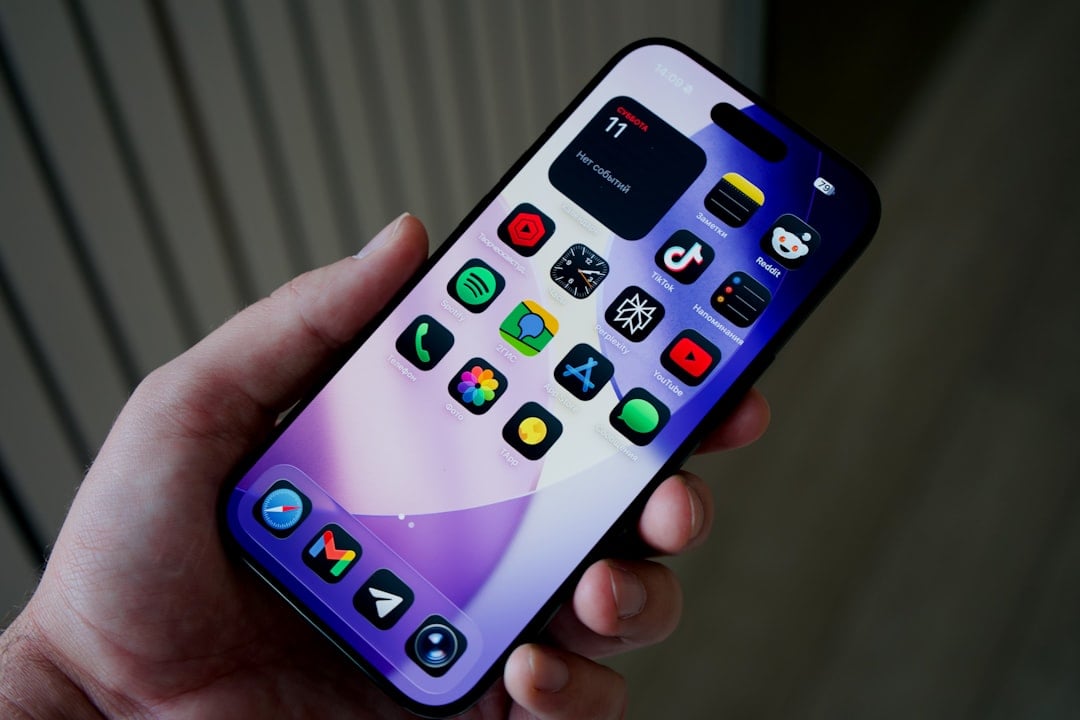
Winner: Plexamp
Plexamp's mobile app is genuinely beautiful and functional. It feels like a commercial streaming service, not a self-hosted solution.
Runner-up: Navidrome + Symfonium
The Symfonium app on Android rivals Plexamp in features and exceeds it in customization. One-time $7 cost.
Honorable Mention: Jellyfin
Functional but basic. Gets the job done for casual listening.
Resource Efficiency
Winner: Navidrome
~130MB RAM, runs on Raspberry Pi Zero. Nothing else comes close.
Navidrome:  ~130MB RAM
Jellyfin:   500MB-2GB+ RAM
Plex:       400MB-1GB+ RAM
For low-power home servers, this matters significantly.
Smart Playlists & Discovery
Winner: Plexamp (with Plex Pass)
Sonic Analysis and Sonic Sage are game-changers for rediscovering your library. Nothing in the open-source world matches this yet.
Runner-up: Jellyfin
Smart playlists with decent filtering options, plus the Suggestions feature.
Third: Navidrome
Basic playlist support. Smart filtering is minimal compared to competitors.
Multi-Platform Support
Winner: Jellyfin
Official apps for iOS, Android, tvOS, Roku, Fire TV, web, and more.
Runner-up: Plexamp
iOS, Android, macOS, Windows, Linux, Raspberry Pi headless.
Third: Navidrome
Depends entirely on third-party Subsonic clients. Excellent on Android (Symfonium), decent on iOS (play:Sub, Arpeggi).
Privacy & Philosophy
Winner: Navidrome/Jellyfin (tie)
Both are fully open source with no telemetry by default. Your music, your data, your rules.
Third: Plexamp
Plex collects usage data and requires a Plex account. Some users are uncomfortable with this level of tracking for what's supposed to be "self-hosted" media.
Recommendation Matrix: What Should YOU Choose?
Choose Navidrome If:
✅ You only care about music (no video/photos) ✅ You're running on low-power hardware (Pi, NAS, mini PC) ✅ You value open source and privacy ✅ You're an Android user (Symfonium is incredible) ✅ You want simplest possible setup ✅ Budget is a concern ✅ Your library has good metadata tags
Best for: Purists, low-power enthusiasts, Android users, privacy-focused users
Choose Jellyfin If:
✅ You want one server for ALL media ✅ You already use Jellyfin for movies/TV ✅ You want official apps without third-party dependencies ✅ You have adequate server resources ✅ You prefer a unified interface ✅ Open source is important to you
Best for: Existing Jellyfin users, all-in-one seekers, those with capable hardware
Choose Plexamp If:
✅ You want the absolute best music experience ✅ You're willing to pay for Plex Pass ($120 lifetime) ✅ Sonic Analysis and AI playlists excite you ✅ You value polish over principles ✅ You have a Raspberry Pi for headless audio ✅ "It just works" matters more than open source
Best for: Audiophiles, UX-focused users, those who can afford Plex Pass, Sonos/multi-room users
The Hybrid Approach
Many experienced self-hosters run multiple systems:
Common Combinations
Navidrome + Jellyfin:
- Navidrome for dedicated music streaming
- Jellyfin for movies, TV, live TV
- Best of both worlds with separate optimization
Navidrome + Plexamp:
- Navidrome as the lightweight backend
- Some users configure Plex to use the same music library
- Use Plexamp when you want premium features
Why This Works
Music and video have different requirements:
- Music: Low resources, needs great mobile clients
- Video: High resources, needs transcoding
Separating them lets you optimize each independently.
Real-World Setup Stories
The Minimalist
"Running Navidrome on an Intel N100 mini PC. 40,000 tracks, uses less than 200MB RAM. Symfonium on my phone. Total cost: $200 for the PC, $7 for the app. I've been listening to music I forgot I owned." — r/selfhosted
The Purist
"After 5 years with Plex, I moved everything to Navidrome and Jellyfin. No more accounts, no more cloud dependencies, no more worrying about what Plex will monetize next. My data, my rules." — r/selfhosted
The Premium Experience Seeker
"Plex Pass was worth every penny. Sonic Analysis changed how I listen to music. I have 100,000 tracks and the AI mixes surface things I haven't heard in years. Nothing else does this." — r/plex
The Pragmatist
"Jellyfin for video, Navidrome for music. Simple, free, works perfectly. Wife uses Jellyfin for shows, I use Symfonium for music. Everyone's happy, server barely notices." — r/homelab
Getting Started: Quick Setup Guide
Option 1: Navidrome (Recommended for Beginners)
# Create directory structure
mkdir -p ~/docker/navidrome/data
mkdir -p ~/music

# Create docker-compose.yml and start
docker-compose up -d
Then install Symfonium (Android) or play:Sub (iOS) and connect to http://your-server:4533.
Option 2: Jellyfin
# Create directory structure
mkdir -p ~/docker/jellyfin/{config,cache}

# Start container
docker-compose up -d
Access web UI at http://your-server:8096, add music library, install official apps.
Option 3: Plex/Plexamp
- Sign up at plex.tv (consider Plex Pass)
- Deploy Plex server container
- Claim server at plex.tv/claim
- Add music library
- Install Plexamp on devices
- Enable Sonic Analysis in Plexamp settings
Conclusion: There's No Wrong Choice
The self-hosted music streaming landscape in 2026 offers something for everyone:
Navidrome proves that software can be lean, efficient, and focused. For music-only needs on limited hardware, it's hard to beat.
Jellyfin delivers the unified media server dream. If you're already in the ecosystem, adding music is free and functional.
Plexamp shows what's possible when a team optimizes purely for music enjoyment. The Plex Pass cost is real, but so is the polish.
The most important thing? Start somewhere. A $200 mini PC running Navidrome gives you your own personal Spotify—no subscriptions, no algorithmic manipulation, just your music, your way.
Welcome to the best part of self-hosting.
Additional Resources
- r/selfhosted — General self-hosting community
- r/Navidrome — Navidrome-specific discussions
- r/jellyfin — Jellyfin community
- r/PleX — Plex and Plexamp users
- Navidrome Docs — navidrome.org/docs
- Jellyfin Docs — jellyfin.org/docs
- Subsonic API — subsonic.org/pages/api.jsp
Last updated: January 2026
You may also like

Use Cases
Nextcloud Self-Hosted Setup Guide 2026: Docker Compose on an N100 Mini PC
Complete Nextcloud setup guide with Docker Compose for 2026. Replace Google Drive with a self-hosted cloud on an Intel N100 mini PC. Includes Redis caching, MariaDB, and remote access via Tailscale.
cloud-storagedocker-composegoogle-drive-alternative

Use Cases
Best Home Server Dashboards 2026: Homepage vs Homarr vs Dashy
Compare the best home server dashboards in 2026: Homepage, Homarr, and Dashy. Resource usage on Intel N100, Docker setup, and which dashboard to choose for your homelab.
dashyhomarrhomepage
Use Cases
Home Assistant on Low-Power Hardware: N100 Mini PC Guide (2026)
Best hardware for Home Assistant in 2026. Run HA on an Intel N100 mini PC at 8-12W idle. Covers HA OS bare metal, Proxmox LXC, and Docker Compose installation methods.
home-assistanthome-automationlow-power
Related Tools
Ready to set up your server?
Check out our build guides to get started with hardware.
View Build Guides