
← Back to Build Guides
Low Power Proxmox Homelab Build: Intel N100 Mini PC Guide (2026)
Build a Proxmox homelab on an Intel N100 mini PC for 6-12W idle power. Complete guide covering hardware selection, installation, LXC containers, and power optimization.
Published Feb 19, 2026Updated Feb 19, 2026
buildslow-powerlxcn100
Low Power Proxmox Homelab Build: Intel N100 Mini PC Guide (2026)
Running a Proxmox homelab on an Intel N100 mini PC gives you a capable virtualization host that draws less power than a desk lamp. Where a traditional desktop build idles at 40-80W, an N100 system sits at 6-12W — a difference that adds up to $50-$100 per year in electricity savings for a machine running 24/7.
This guide covers everything from choosing the right N100 mini PC to running your first LXC container on Proxmox VE 8.x. The commands are tested, the power numbers are real, and the recommendations are based on what the homelab community has actually deployed.
For context on how Proxmox compares to TrueNAS and Unraid, see TrueNAS vs Proxmox vs UnRAID.
Why Proxmox on N100?
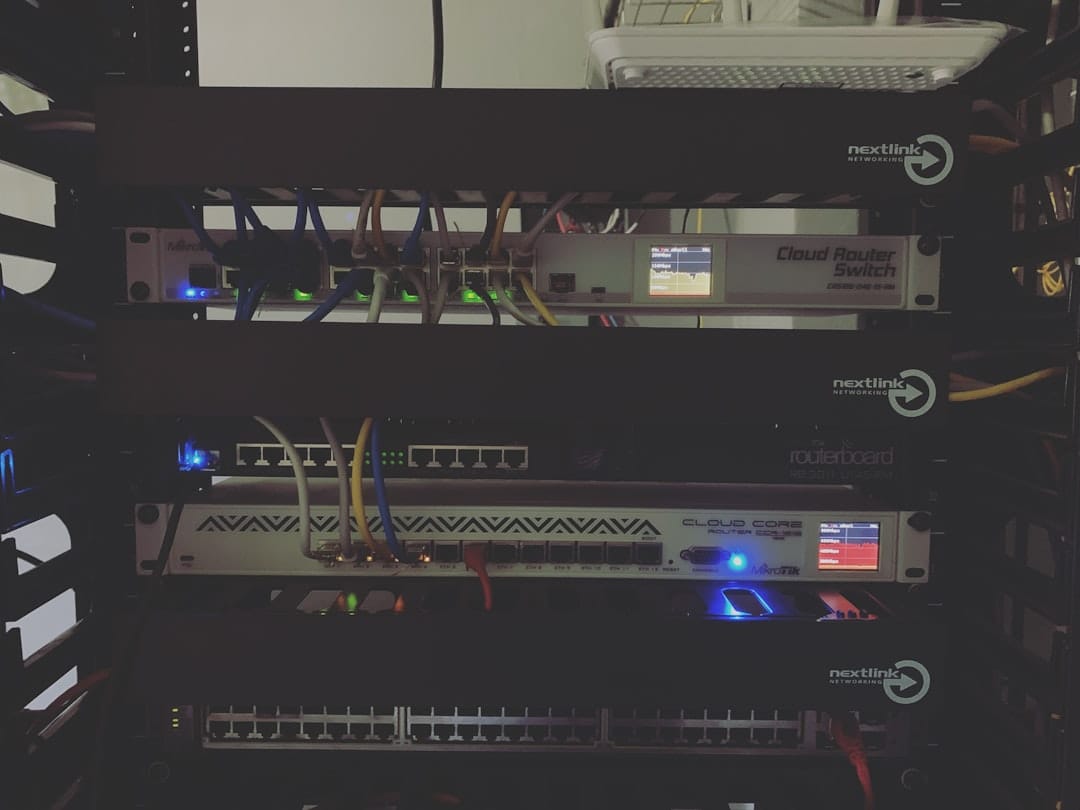
Proxmox VE is a free, open-source hypervisor built on Debian Linux. It combines KVM virtual machines and LXC containers behind a clean web interface, with no licensing costs regardless of how many VMs you run.
The N100 pairing works because of how Proxmox is actually used at home. Most homelab workloads are lightweight services — Pi-hole, Home Assistant, Nextcloud, a media server — that spend most of their time waiting for network requests. These workloads don't need cores constantly pegged at 100%. They need low idle power, enough RAM, and decent I/O throughput. The N100 delivers all three.
What works well on N100 + Proxmox:
- LXC containers for DNS, monitoring, home automation, self-hosted apps
- 3-6 simultaneous lightweight VMs (depending on RAM)
- NAS duties alongside virtualization (with an attached USB or NVMe drive)
- 24/7 always-on operation without noise or heat concerns
What the N100 won't handle well:
- Transcoding multiple 4K streams simultaneously (N305 handles this better)
- Running 10+ resource-intensive VMs
- Heavy database workloads under sustained CPU pressure
See Best Low-Power Mini PCs 2026 for a full hardware comparison including the N305 and ARM alternatives.
Hardware Options

The N100 mini PC market has matured significantly. These are the most commonly deployed options in the homelab community as of early 2026:
| Model | CPU | RAM (Max) | Storage | Idle Power | Street Price |
|---|---|---|---|---|---|
| Beelink EQ12 | N100 | 16GB DDR5 | 1x NVMe + 1x SATA | 6-8W | ~$170 |
| Beelink EQ12 Pro | N100 | 32GB DDR5 | 1x NVMe + 1x SATA | 7-10W | ~$220 |
| CWWK N100 4-NIC | N100 | 16GB DDR4 | 1x NVMe | 8-12W | ~$200 |
| Minisforum UN100L | N100 | 16GB DDR5 | 1x NVMe | 7-9W | ~$180 |
| Beelink EQ13 | N305 | 32GB DDR5 | 1x NVMe + 1x SATA | 10-18W | ~$280 |
Recommended configuration for Proxmox:
- RAM: 16GB minimum; 32GB if you plan to run multiple full VMs. N100 boards are typically single-channel, which limits memory bandwidth — this matters for NAS workloads more than light VM hosting.
- Storage: A 500GB NVMe for the Proxmox OS and VM storage is sufficient for most setups. Add an external USB 3.0 drive or second SATA SSD for bulk storage.
- Network: The CWWK 4-NIC variant is worth the premium if you plan to run pfSense or OPNsense as a VM/firewall. For standard use, the single 2.5GbE port on the Beelink EQ12 is sufficient.
Installation
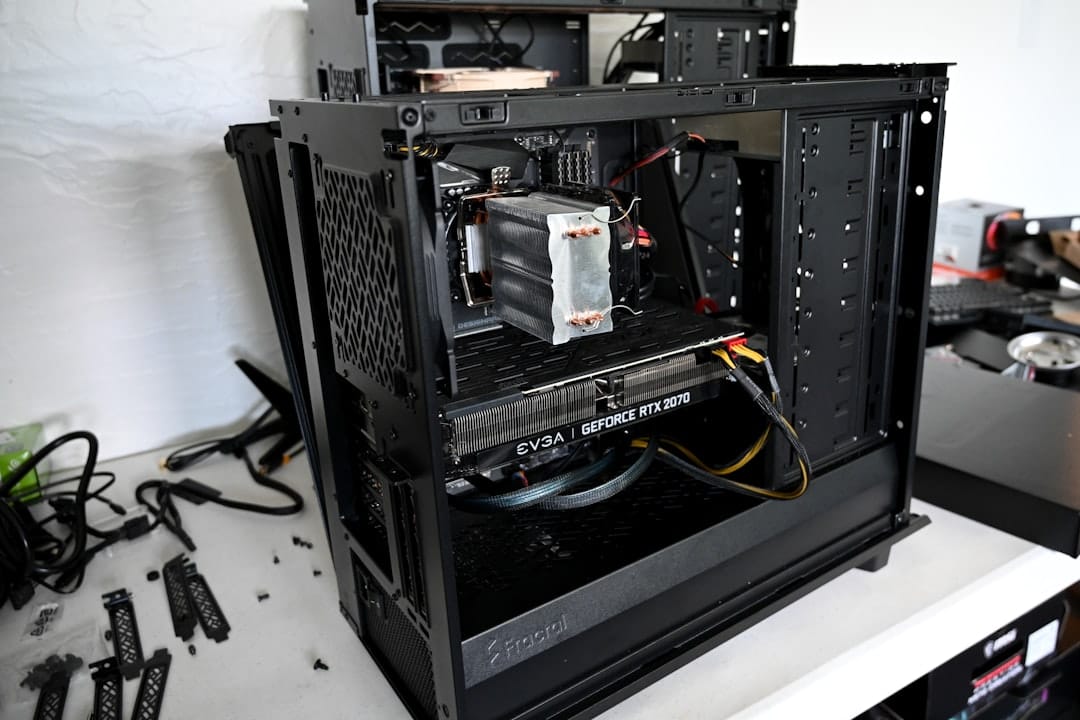
Prerequisites
- N100 mini PC with at least 16GB RAM
- USB drive (8GB+) for the Proxmox installer
- Proxmox VE 8.x ISO
- Rufus (Windows) or
dd(Linux/macOS) to write the ISO
BIOS Settings
Before installing, enter the BIOS (usually Delete or F2 on boot) and configure:
| Setting | Value | Why |
|---|---|---|
| VT-x / Intel Virtualization Technology | Enabled | Required for KVM VMs |
| VT-d / Intel VT for Directed I/O | Enabled | Required for PCIe passthrough |
| C-States (C1E, C3, C6, C7) | Enabled | Critical for low idle power |
| Hyper-Threading | Enabled | More threads for containers |
| Secure Boot | Disabled | Proxmox kernel won't boot with Secure Boot |
C-States are the single most important BIOS setting for power efficiency. With C-States enabled, an idle N100 reaches 6-8W. Disabled, it stays at 15-20W even at idle.
Proxmox Install
- Boot from the USB drive
- Select Graphical Install
- Target disk: select your NVMe drive
- Set filesystem to ext4 (simpler) or ZFS RAID0 (if you want snapshots and compression on a single disk)
- Set timezone, root password, and management IP
- After reboot, access the web UI at
https://YOUR_IP:8006
Post-Install: Disable Subscription Nag and Add Community Repo
Run these commands as root via SSH or the Proxmox shell:
# Remove subscription nag message
sed -i.bak "s/data.status !== 'Active'/false/g" \
  /usr/share/javascript/proxmox-widget-toolkit/proxmoxlib.js
systemctl restart pveproxy.service

# Switch from enterprise repo (requires subscription) to community repo
echo "deb http://download.proxmox.com/debian/pve bookworm pve-no-subscription" \
  > /etc/apt/sources.list.d/pve-install-repo.list

sed -i 's/^deb/#deb/g' /etc/apt/sources.list.d/pve-enterprise.list

# Update package lists
apt-get update && apt-get upgrade -y
First Steps After Install
Configure a Static IP
Proxmox reads its network configuration from /etc/network/interfaces. If you didn't set a static IP during install:
# Edit network config
nano /etc/network/interfaces

# Example static config for eth0 (replace with your interface name)
auto lo
iface lo inet loopback

auto vmbr0
iface vmbr0 inet static
    address 192.168.1.50/24
    gateway 192.168.1.1
    bridge-ports eno1
    bridge-stp off
    bridge-fd 0
The vmbr0 bridge is Proxmox's virtual network bridge. VMs and containers attach to this bridge and get access to your LAN.
Restart networking:
systemctl restart networking
Enable IOMMU (for PCIe Passthrough)
If you want to pass through USB controllers or network cards to VMs:
# Edit GRUB config
nano /etc/default/grub

# Add intel_iommu=on to GRUB_CMDLINE_LINUX_DEFAULT
GRUB_CMDLINE_LINUX_DEFAULT="quiet intel_iommu=on iommu=pt"

# Apply changes
update-grub
reboot
Set Up Storage
From the Proxmox web UI: Datacenter > Storage > Add
Common storage types for N100 builds:
| Storage Type | Use Case |
|---|---|
| Directory | Default — stores VM disk images as files on a local path |
| ZFS | Better if you installed Proxmox on ZFS; enables snapshots |
| NFS | Mount a NAS share for shared VM storage |
| USB drive | Add a large USB SSD as bulk ISO/backup storage |
Your First LXC Container
LXC containers are the best starting point for an N100 Proxmox build. They share the host kernel, so overhead is minimal — a Pi-hole container might use 50MB RAM and 0.1% CPU at steady state.
This example deploys Home Assistant OS in a privileged LXC container. Home Assistant is one of the most popular N100 homelab workloads.
Download the Container Template
In the Proxmox web UI shell, or via SSH:
# Update template list
pveam update

# List available Debian templates
pveam available --section system | grep debian

# Download Debian 12 template
pveam download local debian-12-standard_12.7-1_amd64.tar.zst
Create the LXC Container
pct create 100 local:vztmpl/debian-12-standard_12.7-1_amd64.tar.zst \
  --hostname homeassistant \
  --memory 2048 \
  --swap 512 \
  --cores 2 \
  --rootfs local-lvm:16 \
  --net0 name=eth0,bridge=vmbr0,ip=192.168.1.100/24,gw=192.168.1.1 \
  --features nesting=1 \
  --unprivileged 0 \
  --start 1
Parameter breakdown:
| Parameter | Value | Explanation |
|---|---|---|
100 | Container ID | Unique identifier (use 100-199 for LXC, 200+ for VMs) |
--memory 2048 | 2GB RAM | Home Assistant needs at least 1GB; 2GB recommended |
--cores 2 | 2 vCPUs | Adequate for Home Assistant + a few integrations |
--rootfs local-lvm:16 | 16GB disk | Sufficient for HA + history data |
--features nesting=1 | Nesting | Required for Docker inside LXC |
--unprivileged 0 | Privileged | Required for USB/Bluetooth device access |
Install Home Assistant Inside the Container
# Enter the container
pct enter 100

# Install dependencies
apt-get update && apt-get install -y \
  curl wget jq \
  apparmor \
  dbus \
  network-manager \
  systemd-journal-remote

# Install Home Assistant Supervised
curl -sL "https://get.hass.io" | bash -s -- -m qemu -d /dev/sda
Access Home Assistant at http://192.168.1.100:8123 after the installer completes (~5 minutes).
Power Optimization
The N100 is already efficient, but configuration choices meaningfully affect real-world power draw.
CPU Governor
# Check current governor
cat /sys/devices/system/cpu/cpu0/cpufreq/scaling_governor

# Set to powersave (recommended for mixed workloads)
echo "powersave" | tee /sys/devices/system/cpu/cpu*/cpufreq/scaling_governor

# Make persistent across reboots
apt-get install -y cpufrequtils
echo 'GOVERNOR="powersave"' > /etc/default/cpufrequtils
With the powersave governor enabled and C-States active in BIOS, an idle N100 Proxmox host with 3-4 LXC containers running typically draws 7-10W at the wall.
Disable Unused Hardware
# Disable Bluetooth if not used (saves ~0.5-1W)
echo "blacklist btusb" >> /etc/modprobe.d/blacklist.conf
echo "blacklist bluetooth" >> /etc/modprobe.d/blacklist.conf

# Disable Wi-Fi if using wired (saves ~0.5-1W)
echo "blacklist iwlwifi" >> /etc/modprobe.d/blacklist.conf

update-initramfs -u
Storage Power Management
# Enable SATA link power management
echo "min_power" > /sys/class/scsi_host/host0/link_power_management_policy

# Make persistent via udev rule
echo 'ACTION=="add", SUBSYSTEM=="scsi_host", KERNEL=="host*", \
  ATTR{link_power_management_policy}="min_power"' \
  > /etc/udev/rules.d/70-disk-power.rules
For comprehensive power tuning coverage, see the Linux Power Optimization Guide.
Performance
These figures are from community-reported measurements on N100 mini PCs running Proxmox 8.x.
Idle Power (At the Wall)
| Configuration | Idle Power |
|---|---|
| Proxmox bare, no containers | 6-8W |
| Proxmox + 3 LXC containers | 8-10W |
| Proxmox + 5 LXC containers | 9-12W |
| Proxmox + 1 VM + 3 LXC | 10-14W |
| N305 equivalent, same workload | 14-18W |
Load Power
| Workload | Power Draw |
|---|---|
| CPU stress test (all 4 cores) | 22-28W |
| Plex transcoding 1080p (software) | 15-18W |
| Plex transcoding 1080p (Intel QSV) | 10-13W |
| Compiling code (single VM) | 18-22W |
| NAS file transfer (1GbE saturated) | 9-11W |
LXC Container Density
On 16GB RAM, a typical N100 Proxmox host can comfortably run:
- Pi-hole (DNS ad blocking): ~50MB RAM
- Home Assistant: ~400-800MB RAM
- Nextcloud (with database): ~500MB RAM
- Gitea (self-hosted Git): ~200MB RAM
- Prometheus + Grafana: ~300-500MB RAM
- Jellyfin (with hardware decode): ~300MB RAM idle
That is 6 services running with 16GB, using roughly 2-3GB total, with headroom remaining. For monitoring your power consumption across these services, see Prometheus + Grafana Power Monitoring.
Troubleshooting
Container Won't Start: "Failed to Create cgroup"
This typically means kernel features required for nesting are disabled.
# Check kernel config
grep -i cgroup /boot/config-$(uname -r) | grep -v "^#"

# Ensure cgroup v2 is active
cat /sys/fs/cgroup/cgroup.controllers
If cgroup2 is missing, add systemd.unified_cgroup_hierarchy=1 to the GRUB command line and reboot.
High Idle Power (Above 15W)
Most common causes in order of frequency:
- C-States disabled in BIOS — most impactful; re-enter BIOS and enable all C-States
- CPU governor set to
performance— runcat /sys/devices/system/cpu/cpu0/cpufreq/scaling_governorto confirm - Spinning hard drive attached — HDDs draw 4-8W at idle; use SSDs for low-power builds
- USB device drawing power — unplug unnecessary USB peripherals
Proxmox Web UI Unreachable After IP Change
# Check that pve-cluster and pveproxy are running
systemctl status pve-cluster pveproxy

# Verify the node's hostname resolves to the new IP
cat /etc/hosts | grep $(hostname)

# Update if needed
sed -i "s/OLD_IP/NEW_IP/g" /etc/hosts
systemctl restart pve-cluster pveproxy
VM Clock Drift
N100 mini PCs occasionally show VM clock drift under load. Fix:
# Install and enable NTP sync inside VMs
apt-get install -y chrony
systemctl enable --now chrony

# On the Proxmox host, enable QEMU guest agent for better timekeeping
qm set VM_ID --agent enabled=1
Cost Analysis
Hardware Investment
| Option | Hardware Cost | Notes |
|---|---|---|
| Beelink EQ12 (16GB/500GB) | ~$200 | Best value starting point |
| Beelink EQ12 Pro (32GB/1TB) | ~$280 | Better for VM-heavy use |
| CWWK N100 4-NIC (16GB) | ~$220 | Add 4-NIC router capability |
| N305 upgrade (vs N100) | +$80-100 | For heavier transcoding needs |
Annual Operating Cost
| Setup | Avg Power | Annual Cost (at $0.15/kWh) |
|---|---|---|
| N100 + Proxmox (3 LXC) | 9W | $12/year |
| N305 + Proxmox (3 LXC) | 15W | $20/year |
| i3-13100 desktop build | 35W | $46/year |
| Old repurposed desktop | 80W | $105/year |
| Cloud VPS (equivalent capacity) | N/A | $240-480/year |
An N100 Proxmox build pays for itself versus cloud VPS hosting in 5-10 months depending on the equivalent cloud instance size. Versus a repurposed desktop, you break even on hardware cost in roughly 2-3 years while gaining silence and reliability.
5-Year Total Cost of Ownership
| Setup | Hardware | 5yr Power | 5yr TCO |
|---|---|---|---|
| N100 Mini PC (new) | $200 | $60 | $260 |
| N305 Mini PC (new) | $280 | $100 | $380 |
| i3-13100 desktop | $450 | $230 | $680 |
| Cloud VPS equivalent | $0 | $1,200-2,400 | $1,200+ |
Conclusion
The Intel N100 mini PC running Proxmox VE is a practical, cost-efficient foundation for a home virtualization platform. The hardware costs less than a month of equivalent cloud hosting, runs quieter than a desktop fan, and draws less power than a standard light bulb at idle.
The constraints are real: 4 cores limits CPU-intensive workloads, single-channel RAM adds latency on memory-bound tasks, and you'll need an N305 or a second node if you want serious VM density. But for the typical homelab — Pi-hole, Home Assistant, Nextcloud, a media server, and monitoring — an N100 Proxmox node handles the full stack with room to spare.
Start with a Beelink EQ12 at 16GB, deploy your first LXC containers, and expand from there. The Proxmox web interface makes adding storage, containers, and VMs straightforward without returning to the command line for every task.
Resources
Official Documentation
Community
- r/Proxmox — Active community, strong N100 coverage
- r/homelab — Hardware decisions and build logs
- r/selfhosted — Service-specific configuration help
- Proxmox Forum — Official support forum
Related Guides on This Site
You may also like
Builds
Silent Fanless Home Server Build 2026: Living Room Ready
Build a completely silent home server for the living room. Compare truly fanless N100 mini PCs (0 dBA, 6-12W) vs near-silent Noctua builds vs full-featured quiet systems. Full component guide included.
buildsfanlessliving-room

Use Cases
Home Assistant on Low-Power Hardware: N100 Mini PC Guide (2026)
Best hardware for Home Assistant in 2026. Run HA on an Intel N100 mini PC at 8-12W idle. Covers HA OS bare metal, Proxmox LXC, and Docker Compose installation methods.
home-assistanthome-automationlow-power
Builds
N100 Home Server Docker Stack: Run 10 Services Under 15W (2026)
Complete docker-compose.yml to run Jellyfin, Nextcloud, Home Assistant, Pi-hole, Vaultwarden, Immich, Homepage, Uptime Kuma, Tailscale, and Portainer on an Intel N100 mini PC under 15W.
docker-composehome-assistantlow-power
Related Tools
Ready to calculate your power costs?
Use our Power Calculator to estimate how much your server will cost to run 24/7.
Try Power Calculator