
← Back to Hardware Reviews
Orange Pi 5 Plus vs Intel N100: Best Home Server CPU?
ARM vs x86 home server comparison. Power consumption, Docker compatibility, and transcoding benchmarks for 2025.
Published Dec 11, 2025Updated Jan 1, 2026
x86
Orange Pi 5 Plus vs Intel N100: The Best Home Server CPU in 2025?
When building a low-power home server, the CPU choice defines everything—performance, power consumption, software compatibility, and long-term viability. In 2025, two platforms dominate the budget-conscious home server conversation: the Orange Pi 5 Plus (ARM-based RK3588) and Intel N100 (x86-based Alder Lake-N).
This comprehensive comparison breaks down benchmarks, power efficiency, software compatibility, and real-world use cases to help you choose the right platform for your home server.
The Contenders at a Glance
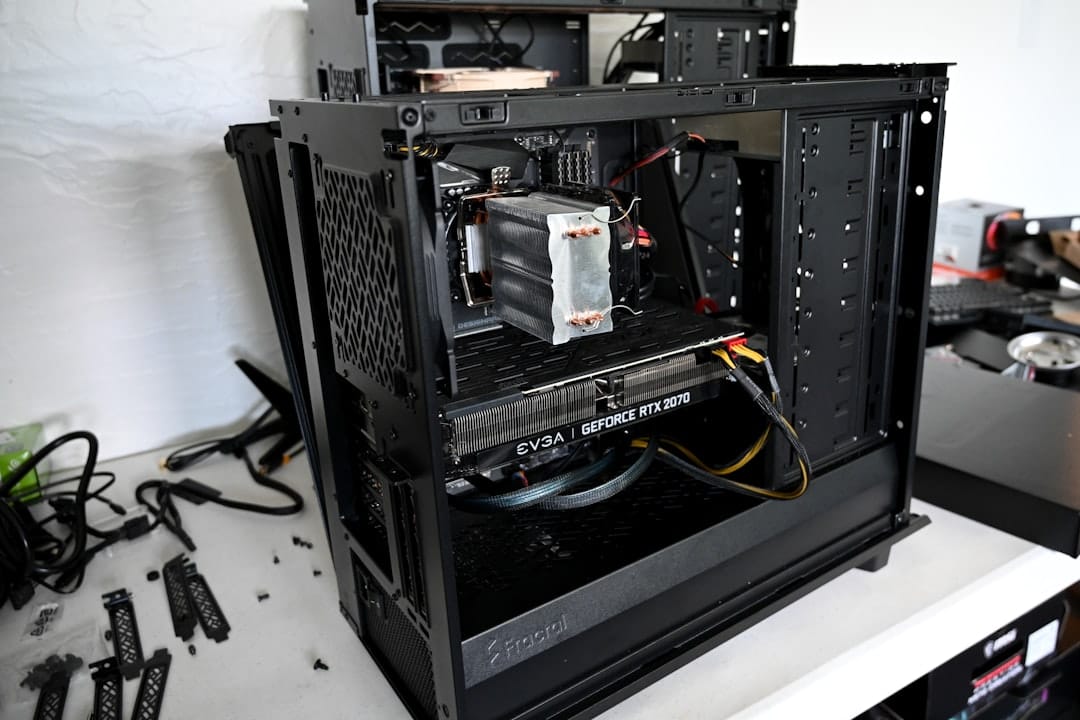
Orange Pi 5 Plus (Rockchip RK3588)
The Orange Pi 5 Plus represents the pinnacle of ARM single-board computers in 2024-2025. Built around the powerful Rockchip RK3588 processor, it offers impressive specifications at a competitive price point.
Key Specifications:
- CPU: 8-core (4× Cortex-A76 @ 2.4GHz + 4× Cortex-A55 @ 1.8GHz)
- GPU: Mali G610 (supports hardware video decode)
- RAM: 4GB / 8GB / 16GB / 32GB LPDDR4X
- Storage: M.2 NVMe slot, eMMC, microSD
- Networking: Dual 2.5GbE ports
- Price: $99 (4GB) to $179 (32GB)
Intel N100 Mini PCs
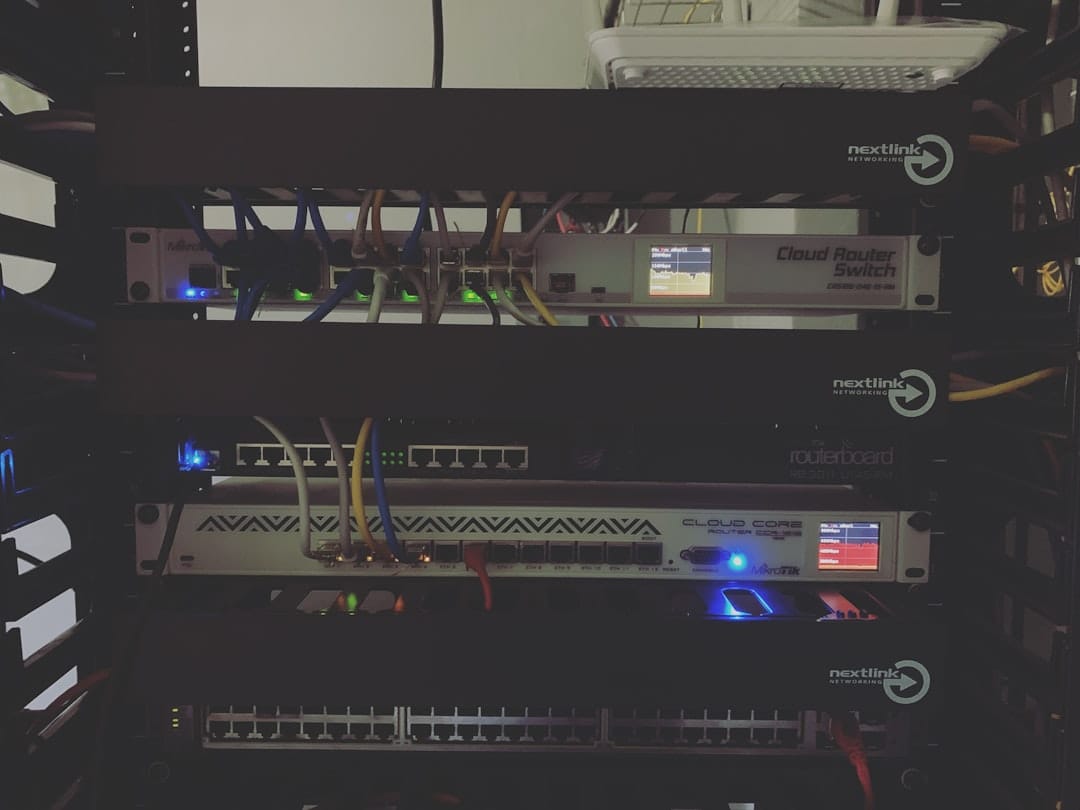
The Intel N100 brought x86 efficiency into ARM territory, offering strong performance at remarkably low power consumption. It's found in dozens of mini PC models from brands like GMKtec, Beelink, and Minisforum.
Key Specifications:
- CPU: 4-core E-cores @ up to 3.4GHz
- GPU: Intel UHD Graphics (Quick Sync hardware transcoding)
- RAM: 8GB-32GB DDR4/DDR5 (user-upgradeable)
- Storage: M.2 NVMe + 2.5" SATA bay
- Networking: 2.5GbE (varies by model)
- Price: $150-$250 (complete system)
Performance Benchmarks
Let's examine how these platforms compare in raw computational power.
CPU Performance
| Benchmark | Orange Pi 5 Plus (RK3588) | Intel N100 | Winner |
|---|---|---|---|
| PassMark CPU Mark | ~4,500 | ~5,600 | N100 |
| Geekbench 6 Single-Core | ~900 | ~1,400 | N100 |
| Geekbench 6 Multi-Core | ~2,800 | ~3,200 | N100 |
| Data Encryption | ~800 MB/s | ~4,200 MB/s | N100 |
| Data Compression | ~25,000 KB/s | ~61,000 KB/s | N100 |
The Intel N100 leads in single-threaded performance thanks to its higher boost clock (3.4GHz vs 2.4GHz). For tasks like web serving, database queries, and Docker container orchestration, this translates to snappier response times.
However, the RK3588's big.LITTLE architecture provides respectable multi-threaded performance when all eight cores are engaged, making it competitive for parallel workloads.
Storage Performance
Both platforms support NVMe storage, but real-world speeds differ:
Orange Pi 5 Plus NVMe Performance:
- Sequential Read: ~2,260 MB/s
- Sequential Write: ~1,800 MB/s
- PCIe 3.0 x4 interface
Intel N100 NVMe Performance:
- Sequential Read: ~3,500 MB/s
- Sequential Write: ~2,500 MB/s
- PCIe 3.0 x4 interface
The N100's advantage comes from mature PCIe controller implementation and optimized chipset drivers. For NAS workloads, both deliver speeds far exceeding gigabit or even 2.5GbE network saturation.
Hardware Video Transcoding
This is where the comparison gets interesting for media server users.
Intel N100 Quick Sync:
- H.264 encode/decode: ✅ Excellent
- H.265/HEVC encode/decode: ✅ Excellent
- AV1 decode: ✅ Supported
- AV1 encode: ❌ Not supported
- Plex/Jellyfin transcoding: 15-20+ simultaneous 1080p streams
Orange Pi 5 Plus VPU:
- H.264 decode: ✅ Supported
- H.265/HEVC decode: ✅ Supported
- AV1 decode: ✅ Supported
- Encoding: ⚠️ Limited support (driver dependent)
- Plex/Jellyfin transcoding: Requires extra configuration
Verdict: Intel Quick Sync is the clear winner for media servers. It's mature, well-documented, and works out-of-the-box with Plex, Jellyfin, and Emby. The RK3588's video capabilities are impressive on paper but require more manual configuration and don't support encoding as reliably.
Power Consumption
Low power consumption is often the primary reason for choosing these platforms. Let's compare real-world measurements.
Idle Power Draw
| System | Idle Power | Notes |
|---|---|---|
| Orange Pi 5 Plus (16GB) | 4-6W | Without accessories |
| Intel N100 Mini PC | 6-10W | Complete system with SSD |
| Orange Pi 5 Plus + NVMe + Case | 6-8W | Comparable configuration |
Load Power Draw
| Workload | Orange Pi 5 Plus | Intel N100 |
|---|---|---|
| Light workload (web serving) | 8-10W | 12-15W |
| Full CPU load | 15-18W | 20-25W |
| Video transcoding | 12-15W | 18-22W |
Annual Electricity Cost
Assuming 24/7 operation at $0.12/kWh:
| Platform | Average Draw | Annual Cost |
|---|---|---|
| Orange Pi 5 Plus | ~7W | ~$7.35 |
| Intel N100 Mini PC | ~10W | ~$10.51 |
| Difference | 3W | ~$3.15/year |
The Orange Pi 5 Plus is more power-efficient, but the difference is marginal—about $3 per year. Over a 5-year lifespan, that's only $15 in savings, which doesn't offset the N100's performance advantages for most users.
Software Compatibility
This is where the ARM vs x86 debate becomes critical for home servers.
Intel N100: Universal Compatibility
The N100 runs virtually any Linux distribution or even Windows without modification:
- Docker: 100% compatible with all images
- Virtualization: Full KVM/QEMU support, Proxmox VE works perfectly
- Applications: Every x86 Linux app runs natively
- Drivers: Mature, mainline kernel support
- Plex/Jellyfin: Hardware transcoding works immediately
Orange Pi 5 Plus: ARM Ecosystem Challenges
The RK3588 is powerful but faces software hurdles:
- Docker: Most images need ARM64 variants (coverage improving but not universal)
- Virtualization: KVM works but fewer pre-built VM images available
- Applications: Some software lacks ARM builds or requires compilation
- Drivers: Requires vendor kernel; mainline support is improving but incomplete
- Media Servers: Hardware transcoding requires manual VPU driver configuration
Community Assessment: As noted by reviewers, "Like every RK3588 board, the Orange Pi 5 Plus is let down by the software situation until full mainline Linux support is available."
Docker Image Compatibility
| Application | x86/N100 | ARM64/Orange Pi |
|---|---|---|
| Nginx, Apache | ✅ | ✅ |
| PostgreSQL, MySQL | ✅ | ✅ |
| Plex (with HW transcode) | ✅ | ⚠️ Limited |
| Jellyfin (with HW transcode) | ✅ | ⚠️ Requires config |
| Home Assistant | ✅ | ✅ |
| Nextcloud | ✅ | ✅ |
| Frigate NVR | ✅ | ⚠️ Coral support varies |
| Windows VMs | ✅ | ❌ |
| Legacy business apps | ✅ | ❌ |
Real-World Use Case Recommendations
Choose Orange Pi 5 Plus If:
- Power efficiency is paramount: Solar-powered installations, remote locations, or mass deployments where every watt matters
- You're an ARM enthusiast: Enjoy tinkering with kernel configurations and contributing to open-source ARM support
- Budget is extremely tight: The base 4GB model at $99 is hard to beat
- Educational purposes: Learning ARM architecture, embedded systems, or single-board computing
- Dual 2.5GbE networking needed: Built-in dual ports without additional hardware
Ideal workloads: DNS/Pi-hole, lightweight web serving, IoT gateway, network monitoring, file sharing (SMB/NFS)
Choose Intel N100 If:
- Media server is a priority: Plex/Jellyfin with hardware transcoding works flawlessly
- Docker diversity needed: You need access to the full Docker Hub ecosystem
- Virtualization planned: Running Proxmox, VMs, or Windows guests
- Time is valuable: Zero-configuration compatibility saves hours of troubleshooting
- Expandability matters: User-upgradeable RAM and storage options
Ideal workloads: Plex/Jellyfin server, Proxmox homelab, Home Assistant with add-ons, self-hosted cloud (Nextcloud), game servers, development environments
Hardware Recommendations
Best Orange Pi 5 Plus Configuration
Budget Build (~$150):
- Orange Pi 5 Plus 8GB: $99
- 128GB NVMe SSD: $20
- Metal case with fan: $20
- 5V/4A power supply: $15
Optimal Build (~$250):
- Orange Pi 5 Plus 16GB: $149
- 500GB NVMe SSD: $50
- Aluminum passive cooling case: $35
- 5V/4A power supply: $15
Best Intel N100 Mini PC Configuration
Budget Build (~$180):
- GMKtec NucBox G3 (16GB/512GB): $168
- Already includes RAM, SSD, WiFi, case
Optimal Build (~$280):
- Beelink S12 Pro (N100, 16GB): $200
- Upgrade to 1TB NVMe: $60
- Additional 2.5" HDD for storage: $40
Performance Per Dollar Analysis
| Metric | Orange Pi 5 Plus (16GB) | N100 Mini PC (16GB) |
|---|---|---|
| Price | ~$180 (with SSD/case) | ~$200 (complete) |
| PassMark Score | ~4,500 | ~5,600 |
| Performance/Dollar | 25 pts/$ | 28 pts/$ |
| Power Cost (5 years) | $37 | $53 |
| TCO (5 years) | $217 | $253 |
The Intel N100 delivers better performance per dollar when considering raw benchmarks, while the Orange Pi 5 Plus wins on total cost of ownership for power-sensitive deployments.
Future-Proofing Considerations
Orange Pi 5 Plus
Pros:
- ARM architecture gaining momentum in servers and cloud
- RK3588 support improving in mainline Linux
- More efficient ARM successors on the horizon
Cons:
- Current software ecosystem still catching up
- Rockchip's track record on long-term support is mixed
- May need OS reinstall when mainline support matures
Intel N100
Pros:
- x86 ecosystem is mature and stable
- Intel continues improving low-power efficiency (N150, N200 arriving)
- Software compatibility guaranteed for years
Cons:
- Intel discontinuation cycles may affect part availability
- Less dramatic efficiency improvements expected vs ARM
Verdict: Which Should You Choose?
Intel N100 wins for most home server users due to its:
- Superior software compatibility
- Plug-and-play hardware transcoding
- Better single-threaded performance
- Mature driver support
- Complete system packages at competitive prices
Orange Pi 5 Plus is the right choice for users who:
- Prioritize absolute power efficiency
- Enjoy ARM tinkering and configuration
- Need dual 2.5GbE networking
- Have simple workloads (file serving, DNS, lightweight containers)
- Want to support and contribute to ARM ecosystem development
The performance gap between ARM and x86 has narrowed dramatically, but in 2025, the Intel N100's ecosystem advantages still outweigh the Orange Pi 5 Plus's efficiency benefits for general home server use. The $20-40 difference in annual power costs simply doesn't justify the software compatibility headaches for most users.
That said, both platforms are excellent choices. The real winner? Home server enthusiasts who have two fantastic low-power options to choose from.
Additional Resources
You may also like

Hardware
Old Laptop as Home Server: Complete 2026 Setup Guide
Turn your retired laptop into a capable home server for $0-210. Covers Ubuntu Server setup, lid-close fix, Docker services, ZFS storage, and why a laptop's built-in battery beats buying a UPS.
low-powerubuntu
Hardware
Best Home Server for Beginners 2026: Complete Starter Guide
New to home servers? Start here. Compare hardware options, discover 8 popular use cases, and learn how to run 10 self-hosted services on an Intel N100 mini PC for just $10/year in electricity.
beginnersgetting-startedlow-power

Hardware
Intel N100 vs N305: Pick the Right CPU for Your Home Server (2026)
N100 or N305 for your home server? Compare real-world performance, power draw, and 2026 mini PC options to make the right choice for Plex, Proxmox, and Docker workloads.
ComparisonHardwareIntel N100
Related Tools
Ready to build your server?
Check out our build guides for step-by-step instructions.
View Build Guides