
← Back to Hardware Reviews
DIY NAS vs Synology: Cost, Power & Performance Guide (2026)
Should you build a custom N100 NAS or buy Synology? Compare 10-year TCO, power costs, and performance. DIY saves 35-50% with better specs.
Published Jan 22, 2026Updated Jan 22, 2026
diyn100synologytruenasunraid
DIY NAS vs Synology: Cost, Power & Performance Guide (2026)
Should you buy a Synology DS923+ or build your own NAS with an Intel N100? This is one of the most debated questions in the home server community.
In 2026, the calculus has shifted dramatically. Intel's efficient N100 processors, combined with rising Synology prices and controversial feature removals, have made DIY NAS builds more attractive than ever. Let's break down the numbers.
Quick Verdict
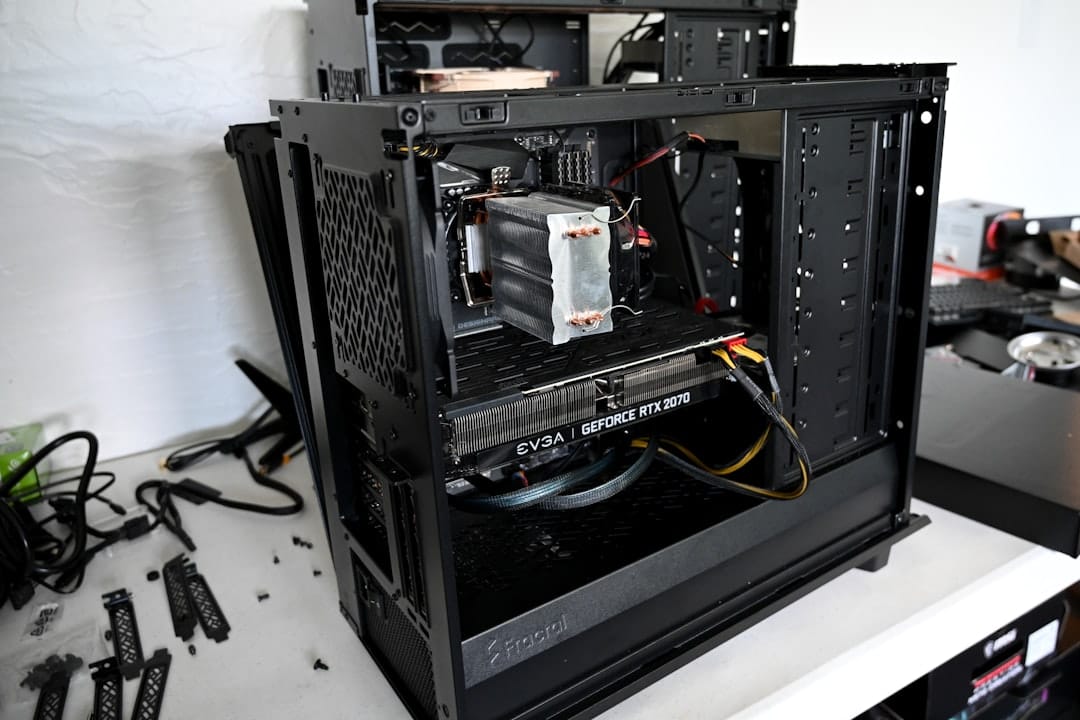
DIY N100 NAS costs 35-50% less than equivalent Synology units while delivering 2x the performance and consuming half the power. Synology wins on ease of use, software ecosystem, and support—but the performance gap has never been wider.
The Numbers at a Glance
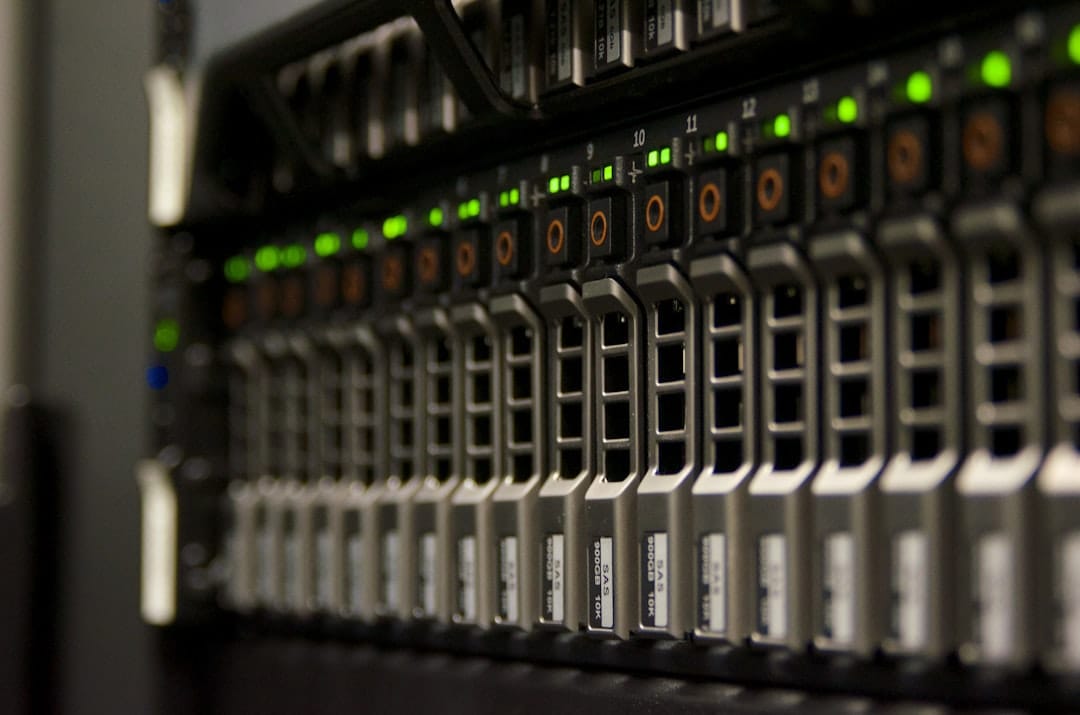
| Metric | DIY N100 NAS | Synology DS923+ |
|---|---|---|
| Initial Cost | $350-500 | $550-650 (diskless) |
| Idle Power | 15-25W | 35-45W |
| 10-Year TCO | ~$830 | ~$1,310 |
| Sequential Read | 1,167 MB/s | 565 MB/s |
| Sequential Write | 1,100+ MB/s | 522 MB/s |
| Hardware Transcoding | Yes (Intel QuickSync) | No (AMD Ryzen) |
| Max RAM | 64GB+ | 32GB |
| Expandability | Unlimited | Limited |
Why DIY NAS is Winning in 2026
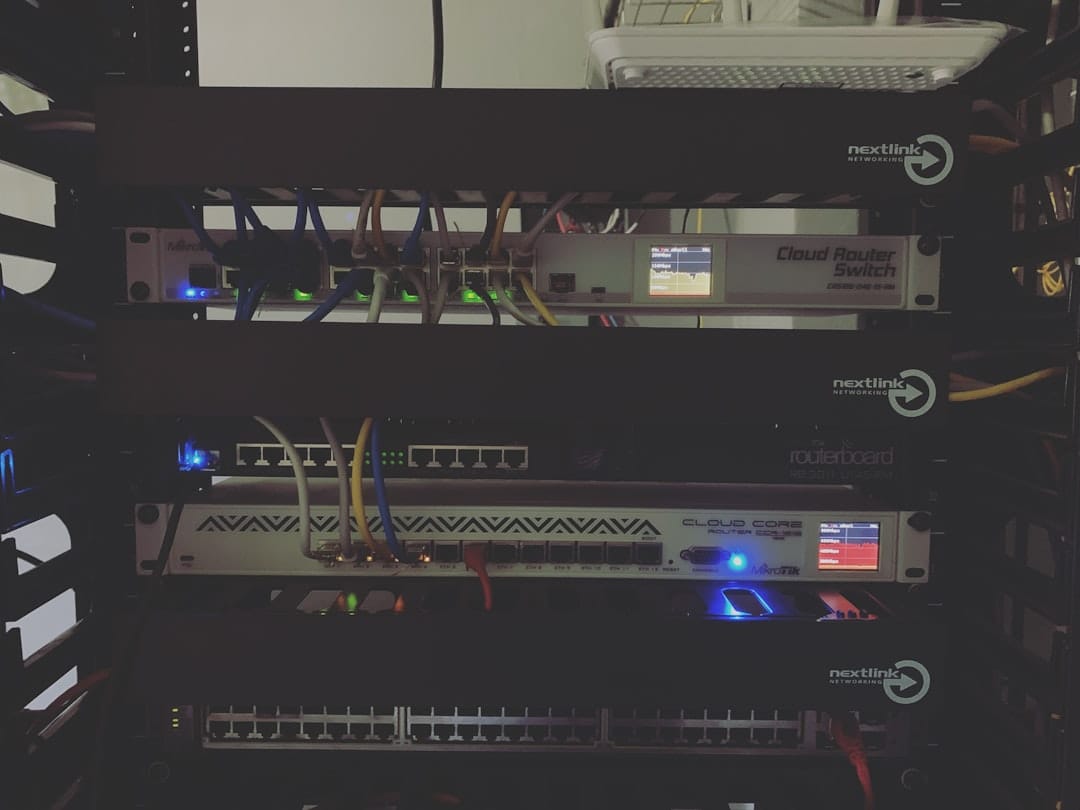
Intel N100: The Game Changer
The Intel N100 processor changed everything for home NAS builds:
- 6W TDP: Incredibly efficient, often idles at 3-4W
- 4 cores, 4 threads: Plenty for NAS workloads
- Intel QuickSync: Hardware transcoding for Plex/Jellyfin
- AES-NI: Hardware encryption acceleration
- $100 complete boards: Mini-ITX boards with N100 cost ~$100
A complete N100-based NAS can achieve:
- 7-12W idle with drives spinning
- 15-20W under load
- 1080p/4K transcoding without breaking a sweat
Synology's Controversial Changes in 2025-2026
Synology made several decisions that alienated enthusiasts:
- DS925+ Removed PCIe Slot: No more 10GbE upgrade path
- Drive Restrictions: Only "Synology Verified" drives (later reversed after backlash)
- Price Increases: 15-20% higher than previous generation
- AMD Chips Without QuickSync: No hardware transcoding on Plus models
The community response was swift—forums exploded with users migrating to DIY solutions or alternatives like UGREEN and UniFi.
Cost Breakdown: 10-Year TCO Analysis
Let's compare the true cost of ownership over 10 years for a 4-bay NAS setup.
Initial Hardware Costs
DIY N100 Build (~$450)
| Component | Cost |
|---|---|
| N100 Mini-ITX Board | $100 |
| 16GB DDR4 RAM | $40 |
| 256GB NVMe (OS/Cache) | $25 |
| Jonsbo N2 Case (4-bay) | $150 |
| 250W PSU | $40 |
| Cables & Accessories | $25 |
| Total | $380-450 |
Synology DS923+ (~$600)
| Component | Cost |
|---|---|
| DS923+ Unit | $550-600 |
| RAM Upgrade (optional) | $80 |
| Total | $550-680 |
Annual Power Costs
Using average US electricity rate of $0.15/kWh:
DIY N100 NAS (20W average)
- Annual: 20W × 24h × 365 days = 175.2 kWh
- Cost: 175.2 × $0.15 = $26.28/year
Synology DS923+ (40W average)
- Annual: 40W × 24h × 365 days = 350.4 kWh
- Cost: 350.4 × $0.15 = $52.56/year
10-Year Power Savings: $262.80
Total Cost of Ownership (10 Years)
| Category | DIY N100 | Synology DS923+ |
|---|---|---|
| Hardware | $450 | $600 |
| Power (10yr) | $263 | $526 |
| Drives (4×8TB) | $600 | $600 |
| Maintenance | $50 | $0 |
| Total | $1,363 | $1,726 |
DIY saves: $363 over 10 years (plus better performance)
Cloud Storage Comparison
For reference, equivalent cloud storage costs:
- Google One 2TB: $100/year = $1,000/10 years
- Backblaze B2 32TB: $160/month = $19,200/10 years
- iCloud+ 2TB: $120/year = $1,200/10 years
Self-hosted NAS pays for itself within 2-3 years compared to cloud storage.
Performance Comparison
Sequential Read/Write
Testing with CrystalDiskMark over 10GbE:
| System | Read | Write |
|---|---|---|
| DIY N100 + NVMe Cache | 1,167 MB/s | 1,100 MB/s |
| Synology DS923+ | 565 MB/s | 522 MB/s |
| DIY N100 (HDD only) | 450 MB/s | 400 MB/s |
The N100's faster CPU and memory bandwidth allow it to saturate 10GbE connections, while Synology's AMD embedded chips struggle to exceed 5GbE speeds.
Transcoding Capability
This is where DIY absolutely dominates:
Intel N100 (QuickSync)
- 4K HEVC → 1080p: 3-5 streams
- 1080p → 720p: 10+ streams
- Power during transcode: ~15W additional
Synology DS923+ (AMD Ryzen, no QuickSync)
- 4K HEVC → 1080p: 0-1 streams (CPU only)
- 1080p → 720p: 2-3 streams
- Power during transcode: ~30W additional
If you use Plex or Jellyfin, the N100's hardware transcoding is worth the DIY effort alone.
Encryption Performance
From community benchmarks comparing encrypted volume performance:
| System | Encrypted Read | Encrypted Write |
|---|---|---|
| DIY N100 (TrueNAS) | 890 MB/s | 850 MB/s |
| Synology DS923+ | 170 MB/s | 165 MB/s |
TrueNAS is 5.2x faster than Synology with encryption enabled.
The N100's AES-NI instructions make encryption essentially free, while Synology's implementation adds significant overhead.
Power Consumption Deep Dive
DIY N100 Builds: 15-25W
Real-world measurements from the community:
| Configuration | Idle | Light Load | Heavy Load |
|---|---|---|---|
| N100 + 4 HDD | 18-22W | 25-30W | 35-40W |
| N100 + 4 SSD | 12-15W | 18-22W | 25-28W |
| N100 + 2 HDD + 1 NVMe | 15-18W | 20-25W | 30-35W |
With TrueNAS or Unraid's drive spin-down (on Unraid), you can achieve even lower idle power.
Synology 4-Bay: 35-45W
Synology publishes these specs for the DS923+:
| State | Power |
|---|---|
| Access | 36.93W |
| HDD Hibernation | 21.72W |
| Deep Sleep | 4.38W |
Note: Deep Sleep disables network access, making it impractical for always-on NAS use.
Annual Savings Calculation
Running 24/7/365 at US average rates ($0.15/kWh):
| Annual Difference | Savings |
|---|---|
| 15W average difference | $19.71/year |
| 20W average difference | $26.28/year |
| 25W average difference | $32.85/year |
Over 10 years: $197 - $329 in electricity savings
New Competition: UGREEN, UniFi Enter the Market
2025-2026 saw major new players disrupting the NAS market:
UGREEN DXP4800+
- Price: $449 (diskless)
- CPU: Intel N100
- RAM: 8GB DDR5 (upgradeable)
- Features: 2.5GbE, HDMI out, hot-swap bays
- Software: UGOS (based on Debian)
Offers Synology-like hardware at DIY prices, though software is still maturing.
UniFi UNAS Pro 8
- Price: $799 (8-bay, diskless)
- Comparison: Similar to $2,000+ Synology DS1823xs+
- Integration: Works with UniFi ecosystem
- Target: Prosumer/SMB market
UniFi's aggressive pricing puts pressure on Synology's entire product line.
Jonsbo N-Series Cases
For DIY builders, Jonsbo's NAS cases have become the gold standard:
| Model | Bays | Price | Hot-Swap |
|---|---|---|---|
| N1 | 5 (3.5") | $80 | No |
| N2 | 5 (3.5") + 1 (2.5") | $150 | Yes |
| N3 | 8 (3.5") | $200 | Yes |
| N4 | 12 (3.5") | $280 | Yes |
When Synology Still Makes Sense
Despite the DIY advantages, Synology remains the right choice for some users:
Business/Enterprise Features
- Synology Active Backup: Enterprise-grade backup solution
- Surveillance Station: Professional NVR with analytics
- Hyper Backup: Comprehensive backup to cloud providers
- Synology Drive: Dropbox-like sync with Office integration
- Active Directory Integration: Seamless Windows environment support
Limited Technical Expertise
If you're not comfortable with:
- Linux command line
- Troubleshooting driver issues
- Configuring ZFS or Btrfs
- Setting up Docker containers
Synology's DSM provides a polished, integrated experience.
Support and Warranty
- 3-year hardware warranty (extendable to 5 years)
- Email and phone support
- Regular security updates
- Known-working configurations
For business-critical data, the support safety net has value.
Synology Photos/Drive Ecosystem
If you're invested in Synology's mobile apps:
- Synology Photos: Google Photos replacement
- Synology Drive: File sync across devices
- DS Video/Audio: Media streaming apps
These apps are polished and work reliably.
When to Build DIY
Budget Priority
DIY saves 35-50% on initial costs and ongoing electricity:
- $150-200 cheaper upfront
- $25-50/year in power savings
- $350+ total savings over 10 years
Hardware Transcoding Needs
If you stream with Plex or Jellyfin:
- Intel QuickSync handles 4K transcoding effortlessly
- Synology's AMD chips require CPU transcoding (slow, power-hungry)
- DIY can support 10+ simultaneous transcodes
Power Efficiency Focus
For always-on NAS:
- N100 idles at 12-20W vs Synology's 35-45W
- Annual savings compound over NAS lifetime
- Better for solar/battery backup setups
Flexibility Requirements
DIY allows:
- Any drives: No vendor lock-in
- Any OS: TrueNAS, Unraid, Proxmox, OMV, or plain Linux
- Upgrades: Add RAM, NVMe, 10GbE anytime
- Repurpose: Hardware can become a different server later
Recommended DIY Builds (2026)
Budget Build (~$350)
Perfect for getting started:
| Component | Model | Price |
|---|---|---|
| Board | Topton N100 6-SATA | $110 |
| RAM | 8GB DDR4 | $20 |
| SSD | 128GB SATA (OS) | $15 |
| Case | Generic 4-bay | $60 |
| PSU | 200W Flex ATX | $35 |
| Cables | SATA data + power | $15 |
| Total | $255 |
Add drives and you're ready to go with TrueNAS or OpenMediaVault.
Performance Build (~$600)
Optimized for media serving and transcoding:
| Component | Model | Price |
|---|---|---|
| Board | CWWK N100 w/ 4x 2.5GbE | $150 |
| RAM | 32GB DDR4 | $70 |
| NVMe | 500GB (OS + Cache) | $40 |
| Case | Jonsbo N2 (5-bay hot-swap) | $150 |
| PSU | 300W SFX | $50 |
| Accessories | $30 | |
| Total | $490 |
This build matches or exceeds Synology DS923+ performance at similar cost.
Premium Build (~$900)
For power users and larger libraries:
| Component | Model | Price |
|---|---|---|
| Board | N305/i3-N305 (8 threads) | $200 |
| RAM | 64GB DDR4 | $140 |
| NVMe | 1TB Gen4 (Cache) | $70 |
| Case | Jonsbo N3 (8-bay) | $200 |
| PSU | 400W SFX Gold | $80 |
| 10GbE NIC | Intel X520-DA2 | $50 |
| Accessories | $40 | |
| Total | $780 |
Enterprise-grade performance for serious homelabbers.
FAQ
Is Synology DSM worth the premium?
For most home users, no. TrueNAS, Unraid, and OpenMediaVault provide comparable features. DSM's advantages are polish and integration—valuable for businesses, less so for tinkerers.
Can I migrate from Synology to DIY?
Yes! Options include:
- rsync over network: Safest, works with any filesystem
- Hyper Backup restore: Export to external, import to new system
- BTRFS pool import: TrueNAS and some Linux distros can read Synology BTRFS pools (with caveats)
What about warranty and support?
DIY components have individual warranties:
- Motherboard: Typically 1-3 years
- RAM: Often lifetime
- PSU: 3-7 years depending on brand
- Drives: 3-5 years
Community support through Reddit, forums, and Discord is excellent for TrueNAS and Unraid.
Is ECC RAM necessary?
For home use, no. ECC RAM provides protection against cosmic ray bit flips, which are rare. Regular DDR4/DDR5 works fine. If you're paranoid about data, ZFS checksums catch corruption regardless of RAM type.
Can DIY match Synology's ease of use?
Almost. Unraid's web UI rivals DSM for simplicity. TrueNAS has improved significantly. The initial setup requires more effort, but daily operation is comparable.
What OS should I use for DIY NAS?
| OS | Best For |
|---|---|
| TrueNAS Scale | Data integrity, ZFS, enterprise features |
| Unraid | Mixed drives, media servers, beginners |
| OpenMediaVault | Lightweight, Raspberry Pi, simple NAS |
| Proxmox + TrueNAS VM | Maximum flexibility |
Conclusion
The 2026 landscape heavily favors DIY NAS builds for enthusiasts:
- 35-50% lower cost
- 2x better performance
- Half the power consumption
- Full hardware transcoding
- Unlimited flexibility
Synology remains relevant for businesses needing support contracts and users who value convenience over cost and performance. Their software ecosystem is genuinely excellent.
But if you're reading this site, you probably enjoy building things. In that case, an N100-based DIY NAS offers the best value in home storage today.
Our recommendation: Start with a budget N100 build running TrueNAS Scale or Unraid. You'll save money, learn valuable skills, and end up with a more capable system than any pre-built NAS at the same price point.
Related Articles
You may also like

Use Cases
TrueNAS Scale vs Proxmox vs Unraid: Best Home Server OS (2026)
Compare TrueNAS Scale, Proxmox, and Unraid for your home server. Analyze power usage, ease of use, and features to choose the best OS in 2026.
truenasunraid

Hardware
Best Home Server for Beginners 2026: Complete Starter Guide
New to home servers? Start here. Compare hardware options, discover 8 popular use cases, and learn how to run 10 self-hosted services on an Intel N100 mini PC for just $10/year in electricity.
beginnersgetting-startedlow-power
Hardware
Intel N97 vs N100 vs N305: Low Power CPU Showdown (2026)
Compare Intel N97, N100, and N305 for home servers. Benchmarks, power consumption, transcoding tests, and which CPU to buy in 2026.
low-powern100n305
Related Tools
Ready to build your server?
Check out our build guides for step-by-step instructions.
View Build Guides